The Smart Washroom of the Future

The Smart Washroom of the Future
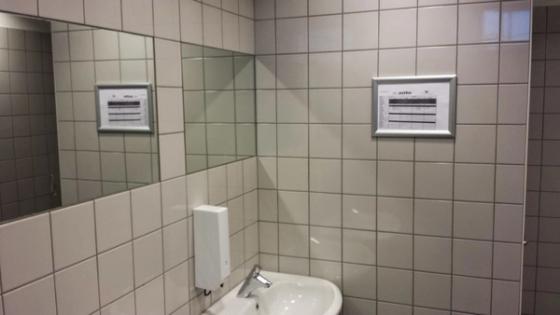
If you have ever been in a public toilet, you may have seen a paper checklist. Cleaners use these checklists to record the date, time and person who last cleaned the toilet. These papers can get lost, dirty or torn, causing all data to be lost or become unusable. No longer in the future of Internet of Things, sensors, apps and the Smart Washroom.
In the fight against the spread of infections and diseases, hand hygiene and cleaning quality are of great importance*. Especially in public spaces, such as toilets or washrooms. This has increased the pressure on the medical industry and the maintenance of public spaces. Combined with a shortage of staff, this situation calls for innovative solutions to meet the standards.
The transformation to Smart washrooms and toilet facilities
These checklists are a good example of the washroom of yesterday: routine, uncontrolled and potentially unnecessary checks on a piece of paper. The information on paper is only processed and evaluated when managers receive it at the end of the week. And it only serves to check whether something has not been fully completed.
How different was the experience when washrooms still had a toilet attendant at the door! The presence of this attendant served several purposes: she welcomed you, could solve problems for you, and she kept track of how often a washroom was used, and could decide when to clean based on that. This was real evidence based cleaning.
Digital toilet facilities with sensors
For a restaurant it may still be worthwhile to employ a toilet attendant. But for (semi) public washrooms it is too expensive to employ a physical person. And this is what the internet of things can solve. Wireless sensors enable us to digitally record what the toilet attendant used to do:
• How many people have used the washroom since the last cleaning?
• How much toilet paper is available and how much is left on the towel roll?
• Do the waste bins need to be emptied?
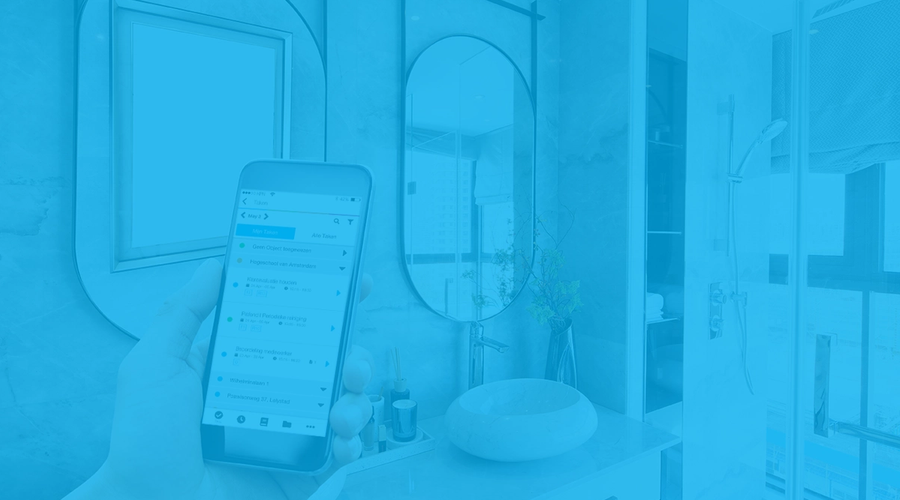
The washroom, toilet and dispenser sensors transmit and store their data in a central cloud database. With any mobile device, managers and cleaning staff have real-time access to all data. For example, individual dispenser fill levels, the number of people who have entered the toilet and the extent to which the waste bin is full. This allows them to plan cleaning work based on data. In short: evidence based cleaning.
Big Data in toilet facilities and Smart Washrooms
But it gets even better: digital recording of measurements means we can analyse historical data to discover trends. And when the data sets are large enough, we can use big data analysis to make real-time predictions. The ultimate goal: optimisation (a simple example: making a round of full waste bins instead of making a round because it's six o'clock).
A recent update on the Smart Washroom
Has your interest been sparked? Find out more by visiting the page about the recent developments of the Smart Washroom with Ophardt Hygiene.
Related posts
Cleaning Workx, powered by FacilityApps, launches new 'Periodic Cleaning' training modules
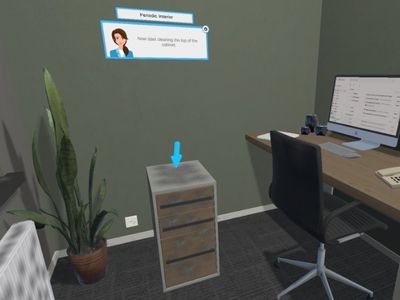
Cleaning Workx introduces the Periodic Interior and Periodic Sanitary modules — the most requested addition among existing customers. Available immediately in 18 languages as part of the core platform.
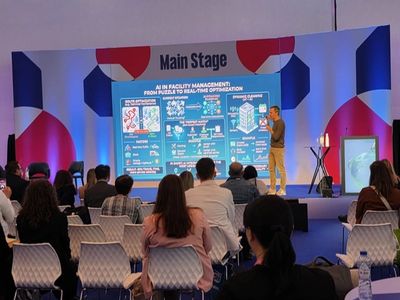
From invisible to intelligent: the cleaning industry must shape its own AI future
A manifesto for the cleaning industry: will we be passive recipients of AI disruption, or active architects of our own transformation? CEO Dirk Tuip wrote a manifesto for the next decade.
Digitise your workflows with the new multi-step forms
New in FacilityApps: multi-step forms. One form goes through multiple roles and stages, while all information is stored centrally. No loose papers, no lost emails - just a fast, transparent workflow.